

Mystic Ocean Strike builds a fish shooting system based on underwater target paths and timing logic. The structure focuses on simple interaction during each round without complex control layers, players follow visual movement cues that guide shooting direction and result flow. Platform 30JILI integrates this format inside a stable gaming interface with direct access to game modes.
Mystic Ocean Strike gameplay core system overview
Inside each session, the background uses shifting sea patterns that create a sense of movement throughout gameplay. These visual layers change gradually and help shape the rhythm of interaction. Target groups appear in wave-like formations, meaning players often need to adjust their focus as new clusters arrive on screen.
In advanced stages of Mystic Ocean Strike, gameplay becomes more intense as higher value targets begin to appear within tighter movement spaces. These conditions require more careful timing, since targets may move closer together or change direction more frequently. Players typically adapt by adjusting their reaction speed and tracking multiple objects within the same area.
Despite the increased difficulty, reward cycles follow a predictable and stable structure across all sessions. This consistency allows players to understand how progression works even as gameplay becomes more complex, maintaining a clear and continuous flow from early to advanced rounds.

Ocean combat mechanics and reward flow design
Fish shooting environments rely on wave based movement and target grouping logic. Session structure focuses on timing patterns and reward triggers across each round.
Target wave patterns
Target waves appear in layered groups that shift direction during play sessions. Each wave carries different density levels that influence player response timing. Within these patterns Mystic Ocean Strike introduces structured spacing between target clusters.
Wave intensity increases gradually as sessions continue across multiple stages. Spacing changes require consistent adjustment across targeting decisions. Visual patterns remain readable across shifting underwater layers.
Advanced wave cycles include mixed speed groups and alternating movement paths. Visual cues help identify priority targets before cluster separation occurs. Reaction timing stays steady across repeated wave transitions.
Scoring interaction rules
Scoring systems depend on target value tiers and hit accuracy consistency. Each successful hit contributes to cumulative round based progression. Scoring flow in Mystic Ocean Strike connects target value to reward calculation steps.
Higher value targets require precise timing under shifting movement conditions. Point accumulation follows stable rules across repeated engagement cycles. Feedback signals help track scoring outcomes clearly.
Bonus triggers activate when cluster sequences are cleared in order. Score multipliers remain fixed during standard round structures. Tracking panels display accumulated values after each wave completion.
Movement timing control
Movement timing relies on predictable shifts across underwater target paths. Players adjust response windows based on cluster speed changes. Timing precision in the game supports controlled engagement across fast sequences.
Speed variations appear in alternating cycles during each stage. Visual rhythm changes guide decision points for target selection. Reaction windows stay consistent within defined session rules.
The game timing layers adjust target movement speed across advanced rounds. Cluster spacing becomes tighter as difficulty levels progress. Players maintain steady tracking across shifting motion paths.
Reward cycle structure
Reward cycles operate through structured completion of wave and scoring stages. Each cycle resets target conditions while preserving accumulated progress markers. Cycle progression in Mystic Ocean Strike links completion speed with reward output levels.
View more: Neon Reef Shooter – The Ultimate Digital Arcade Guide
Stage completion unlocks new wave configurations with altered movement patterns. Reward triggers activate after consistent scoring thresholds are reached. The system maintains stable progression across repeated play sessions.
Final cycle phases include increased target density and faster transitions. Players experience consistent reward feedback after each completion stage. Tracking indicators summarize performance across full sessions.
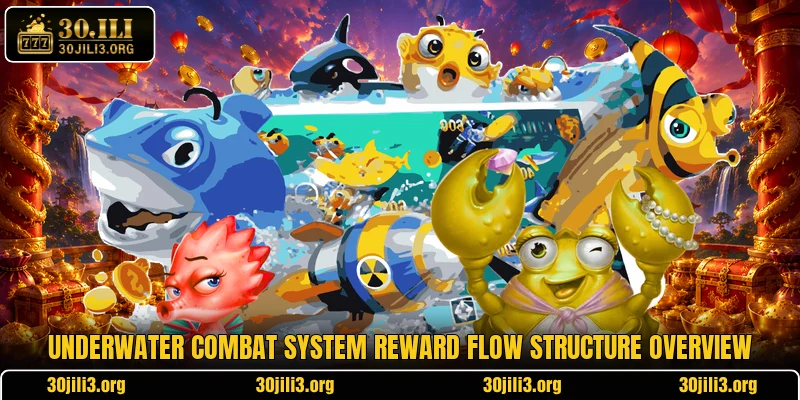
Underwater shooting progression and bonus trigger system
Progression systems depend on stage completion and target accumulation consistency. Bonus triggers activate through structured scoring thresholds across repeated sessions.
Stage progress patterns
Stage progression in Mystic Ocean Strike is built around layered wave transitions that gradually increase difficulty across multiple rounds. Each new stage introduces subtle changes in target movement speed and the timing of scoring responses, creating a controlled shift in gameplay intensity.
In earlier stages, movement tends to remain stable and predictable. Target groups appear with clearer spacing, giving players more time to adjust and learn timing patterns. This steady pacing helps establish a comfortable rhythm before more complex conditions are introduced.
As the game moves into advanced stages, the pace becomes noticeably faster. Target clusters form more tightly, and movement transitions occur more frequently. These changes require quicker decision-making and more precise tracking of multiple objects at once. Even with increased complexity, the progression remains structured in Mystic Ocean Strike.
Bonus activation rules
Bonus activation is based on consistent scoring thresholds that are reached through repeated performance across standard gameplay cycles. These thresholds are fixed within each session format, meaning players can anticipate when activation conditions may occur.
Progress toward bonus stages is shown through clear visual indicators. These markers update continuously, allowing players to track how close they are to reaching the next reward phase. This feedback system helps maintain awareness of ongoing performance without interrupting gameplay flow.
Once bonus conditions are met, the cycle activates according to predefined rules. After completion, the system resets and returns to standard progression, allowing new bonus opportunities to build again. This structure keeps reward activation predictable and easy to follow across multiple sessions.
Target density shifts in Mystic Ocean Strike
Target density changes according to stage advancement. Cluster spacing reduces as difficulty levels increase across rounds. Movement overlap creates tighter decision windows.
Visual grouping supports faster target selection. High density phases include multiple overlapping wave layers. Timing accuracy becomes essential during peak sequences.
Tracking systems highlight priority targets clearly. Decision paths remain structured even during crowded patterns. Engagement flow stays consistent across shifting density stages.
Session tracking flow
Session tracking records performance data across full gameplay cycles. This includes scoring progression, timing behavior, and completion results, all stored in a structured format for review after each session in Mystic Ocean Strike.
Performance indicators summarize how the session developed over time, showing trends in score accumulation and overall efficiency. These records help players understand how their gameplay changes across repeated sessions.
Final summaries display overall round efficiency and reward output. Players review session data after completion stages. Performance logs remain stable across repeated sessions.

View more Category: Fish
Conclusion
Mystic Ocean Strike remains a structured fish shooting format focused on timing and target flow across sessions. The system inside 30JILI keeps navigation simple while maintaining steady round progression behavior. Final overview highlights stable mechanics that support repeated engagement without complex changes.